

A lot of sellers still think buyers want potential.
They think buyers will walk in, see past the old paint, the dated lighting, the stained carpet, the overgrown landscaping, the half-finished projects, and say, “No problem, we can make this our own.”
Some buyers will. Most will not.
Not in this market.
Right now, buyers are doing the math a lot more carefully than they were a few years ago. They are looking at the monthly payment, insurance, taxes, utilities, maintenance, and the cost of every repair they can already see coming. By the time they add all that up, a house that needs “just a little work” starts feeling a lot heavier than it looks on paper.
That is why the homes getting the best response right now are not always the newest or the fanciest. They are the ones that feel easy.
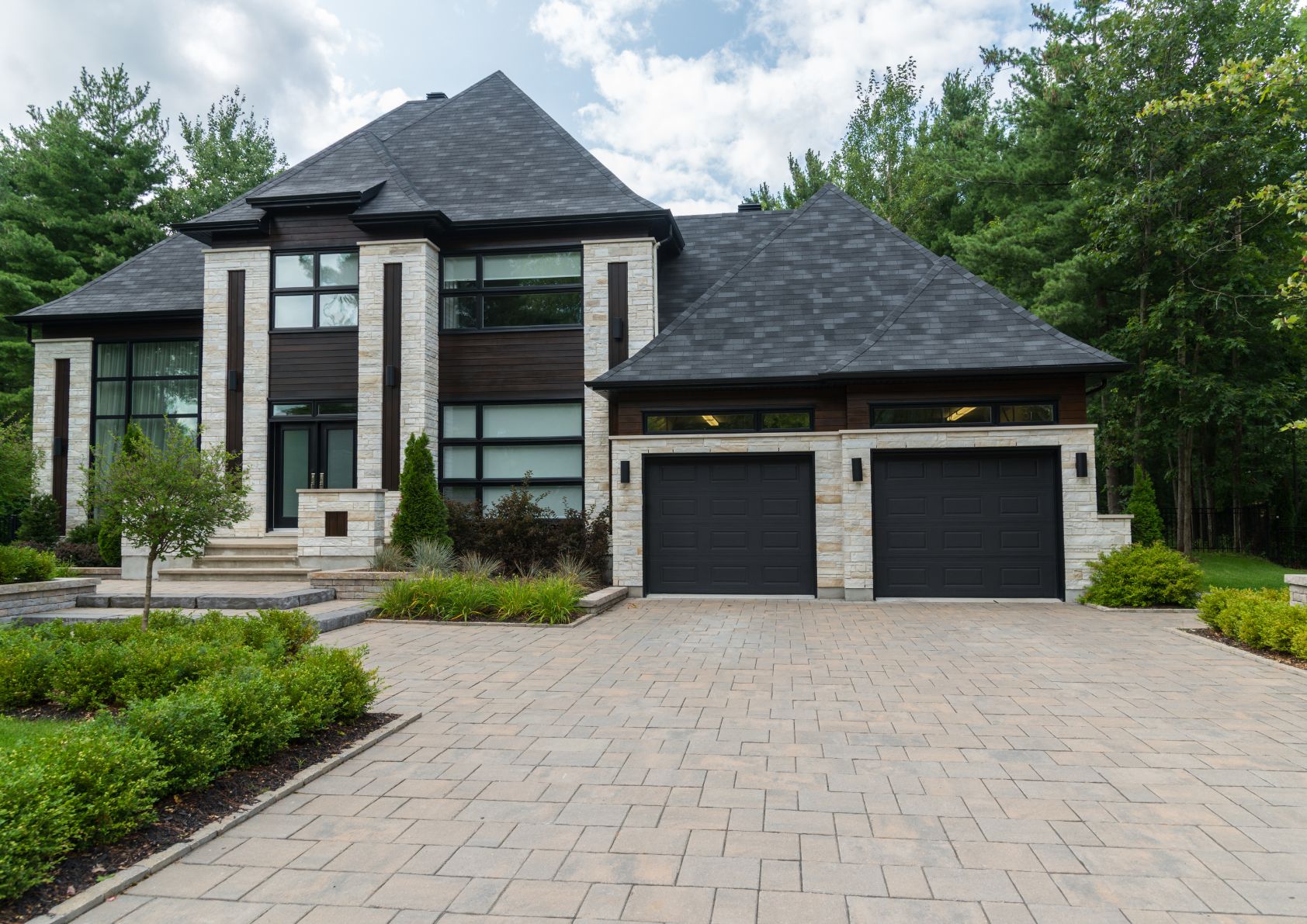
Easy to walk into. Easy to understand. Easy to imagine living in. Easy to own without immediately bleeding cash.
That shift matters.
HousingWire has been tracking the 2026 market all spring, and one of the clearest patterns has been that pricing and condition are doing more of the work now. Homes that are aligned with where buyers really are, and that do not ask buyers to take on extra stress, are moving. Homes that are overpriced or feel like projects are sitting longer and cutting price more often. (HousingWire)
That should get every seller’s attention.
Because when buyers are cautious, they are not just buying a house. They are buying a monthly reality. And if the house already feels like it comes with a to-do list, the buyer starts subtracting money immediately. They may never say it out loud, but they are doing it in their head the second they walk in.
That old carpet is going to cost something.
That roof is going to cost something.
That dark paint, those old fixtures, that neglected yard, those patched walls, that bathroom that feels tired, all of it starts turning into future expense in the buyer’s mind.
And when that happens, the house feels harder to say yes to.
Inman has been making the same point in its 2026 coverage. Buyers are not responding the way they did in the frenzy years. They are slower, more selective, and much more aware of condition. Homes that feel move-in ready are standing out because they remove friction. They do not give buyers a reason to hesitate. (Inman)
That is the key word here: friction.
A lot of sellers are still thinking in terms of upgrades, but the bigger issue right now is friction. Buyers do not need every house to be brand new. They do need it to feel manageable. There is a big difference.
A manageable house feels clean. It feels maintained. It feels like the seller cared. The lighting works. The walls are not fighting you. The spaces make sense. The smell does not distract you. The yard does not feel like a weekend job waiting to happen. The whole house feels like something you can step into without immediately making a list of what has to be fixed first.
That is what buyers want right now.
Real Estate News has also been reporting on the pressure buyers are under, especially when it comes to affordability and the added stress of ownership costs. That matters because it explains why buyers are acting the way they are. They are not being unreasonable. They are being careful. When people already feel stretched, they do not want a house that adds another layer of uncertainty. (Real Estate News)
This is exactly why some sellers get frustrated. They look at their house and think it has good bones, good space, and a good location, which may all be true. But buyers are reacting to what is in front of them today, not to what the house could become after six weekends, twelve contractors, and another twenty thousand dollars.
Potential does not hit the same when buyers feel financially tight.
Ease does.
That does not mean every seller needs to renovate. In fact, that is usually the wrong takeaway. Most sellers do not need a giant remodel. They need the house to stop creating questions. Fresh paint does that. Better lighting does that. Deep cleaning does that. Flooring fixes, yard cleanup, touch-up repairs, decluttering, and stronger presentation do that.
Those are not glamorous improvements, but they are often the ones that matter most because they make the home feel lighter.
And lighter wins.
A seller in this market has to stop asking, “What more can I add?” and start asking, “What can I remove that is making this home harder for a buyer to say yes to?”
That is a much smarter question.
Because the homes that are performing best right now are not always the ones with the most expensive updates. They are the ones that feel the least complicated. Buyers walk in and do not immediately feel burdened. They feel relief. They feel possibility. They feel like they could move forward without spending the next six months fixing what the seller left behind.
That is powerful.
And it is a lot more relevant to May 2026 than the old advice about throwing money at random upgrades and hoping buyers reward you for it.
They usually will not.
What they will reward is a home that feels cared for, clear, and easy to step into.
That is what is working right now.


